The Personal Statement Process: Be Patient with Yourself

"I don't understand why writing the personal statement takes so long," a parent remarked during a recent exploratory meeting. "Isn't it just like any other assignment? You receive the assignment and the due date, then complete it in a week. Why does it have to be such a lengthy process?"
The truth is, it doesn't have to be. In theory, you could sit down on a Monday morning, brainstorm, select a topic, outline, write a rough draft, revise, rewrite, and be satisfied with the final product by Friday afternoon—or even sooner if you have little else to occupy your time that week. If you can easily identify a topic, are comfortable writing about yourself and reflecting on your life, know how to balance showing and telling, and have a revision partner or are adept at reviewing your own work, you might produce a strong essay in a week. But that’s only if all these conditions align.
The parent's question underscores both the expectation of a swift writing process and the anticipation about how long it takes to write a personal statement. This matters for students and the people supporting them through the process.
I'm interested in three questions:
Why students might resist the time it takes to write a quality personal statement, why it often takes so long, and what can help ease the feelings of stuckness and writing fatigue.
Why Do We Resist Slow and Steady Progress?
With the rise of smartphones and social media, many of us have become uncomfortable with boredom, delayed gratification, and the challenges that come with processes requiring time and effort. Many individuals, including myself, who didn’t even grow up with smartphones, find themselves giving up or feeling frustrated much sooner than they’d like to admit when engaging in a writing process. Even now, I feel a twinge of annoyance at the thought of needing to return to this blog post tomorrow to finish it. I could input a few sentences into AI and generate an entire blog post on this topic in 30 seconds.
So why not do that? Because I don’t want to deprive myself of the opportunity to grow and to exercise my brain in ways that are healthier for me. This isn't to say that I never use AI or that others are wrong for using it to write essays or articles, but it's not how I want to live or be—even if my processes take longer and I earn a little less. I believe that when AI replaces my creativity, deep thought, and the effort to find the best examples, ideas, and phrasing, my brain becomes weaker—literally.
We have become so averse to boredom that we scroll through our phones at stoplights or pick them up during conversations that don’t hold our interest, or even when a show or movie feels too slow.
Considering how today's society increasingly favors quick solutions, immediate answers, and has less patience for challenges, it's understandable why there is resistance to a writing process that demands time, effort, and even vulnerability.
Why wouldn’t you resist the time it takes to discover what is most important about who you are and how to express it? It’s challenging to be introspective, to identify stories that exemplify who you are, and to structure sentences that effectively communicate your thoughts. It’s also difficult to weave those sentences into a cohesive, engaging, and concise college application essay. It’s normal to feel impatient.
However, don’t let that impatience lead you to believe lies such as: I can’t do this. I’m not a good writer. There’s nothing interesting about me. And even if there were, I can’t find a fun and creative way to express myself.
When you catch yourself thinking like that, replace those thoughts with empowering, hopeful, and truthful (even if you don't believe them) affirmations: I can do this. I am a good enough writer to create a solid essay. I can ask for help. I have had numerous experiences and interests that have shaped me, taught me valuable lessons, and reflect who I am. I can find an engaging way to share my story.
And let me add this: It doesn’t have to be perfect, even if you’re aiming for an Ivy League or other highly selective college.
As I mentioned earlier, while you may not be able to change how your brain has been wired over the past few decades overnight, you can eliminate distractions. Put your phone in another room while working on your essays. Even more radically, commit to avoiding social media while actively writing your personal statement and your supplemental essays. Could you take a week, two weeks, or even four weeks off and see which parts of your brain come alive? Studies indicate that it takes 20 minutes to regain focus after a "break" involving phone use. Let’s practice taking breaks in other ways.
Why Does Writing the Personal Statement (Often) Take So Long?
Unless you regularly write in a journal or have taken a creative writing class, most 17-year-olds have never actually written about themselves. They’ve never crafted an essay that resembles a very mini memoir called a personal essay. The introspection required to write a personal essay cannot be rushed. Even coming up with a topic takes time, not to mention transforming that initial idea into a fully developed essay.
When my students tell me they feel stuck, I am never surprised and always empathetic. I roll up my sleeves, ready to listen to what’s happening and to find solutions. Common challenges include not knowing how to start, disliking your writing, struggling to identify examples to use, or being unsure how to conclude. Often, the "problem" arises from something that might occur later in the process, which is one of the quickest ways to feel stuck—similar to feeling paralyzed today over something that might go wrong tomorrow.
If the process is taking longer than expected, there’s nothing wrong with you. Remember, the task at hand isn’t easy, so it’s understandable to feel that it’s hard or taking too long. You have 650 words to write an essay that is engaging, well-crafted, and reflects the essence of who you are. No problem, right? But it gets even harder when your critical mind scrutinizes every step. If it takes three attempts to settle on the "right" topic or if your screen is blanker than blank every time you sit down to write, the issue might be perfectionism or the mindset that there's one right topic and approach and you MUST find it. And if your friend wrote their essay in a few days, that’s great for them, but you may need more time. After all, it takes time to sculpt a piece of written art about a human organism who is beautiful in very particular ways!

What Can Ease Stuckness and Writing Fatigue?
Don't Skip the Digging Part
So what are some solutions to make the process easier? What should you do if you feel stuck? First, if you haven’t done extensive brainstorming, I recommend going back to that step before moving forward. It’s akin to trying to find an important historical artifact without actually digging. Here are a few simple ways to explore your life:
Look around your room and identify objects you couldn’t live without. What do these objects represent about you? That could lead to an idea. You never know.
If you encountered an admissions officer from one of your top choices in an elevator, what three qualities would you say define you as a student, community member, a friend, or sibling? Now find a story, moment or activity that would highlight those things. Now, just write! Or record your thoughts on your phone - that you have to retrieve from the kitchen - first.
List your top five most meaningful activities and write two to four words about how you contribute to each one. What qualities do you bring, and what matters to you in the context of those activities? Now pair those "values or roles" with a story or specific example. If you can't think of any stories, move to a new activity. Keep mining. You'll find some gold eventually!
Approach the Process One Step at a Time
Be fully present and patient with yourself in each phase. After your brainstorming session, once you have settled on a topic, I suggest spending time freewriting about each aspect of that topic—sometimes multiple facets require further exploration to uncover stories that illustrate what you want your reader to know about you. As you discover and write those stories, don’t worry about word count, how your story will conclude, or even what your hook will be or how to transition between paragraphs.
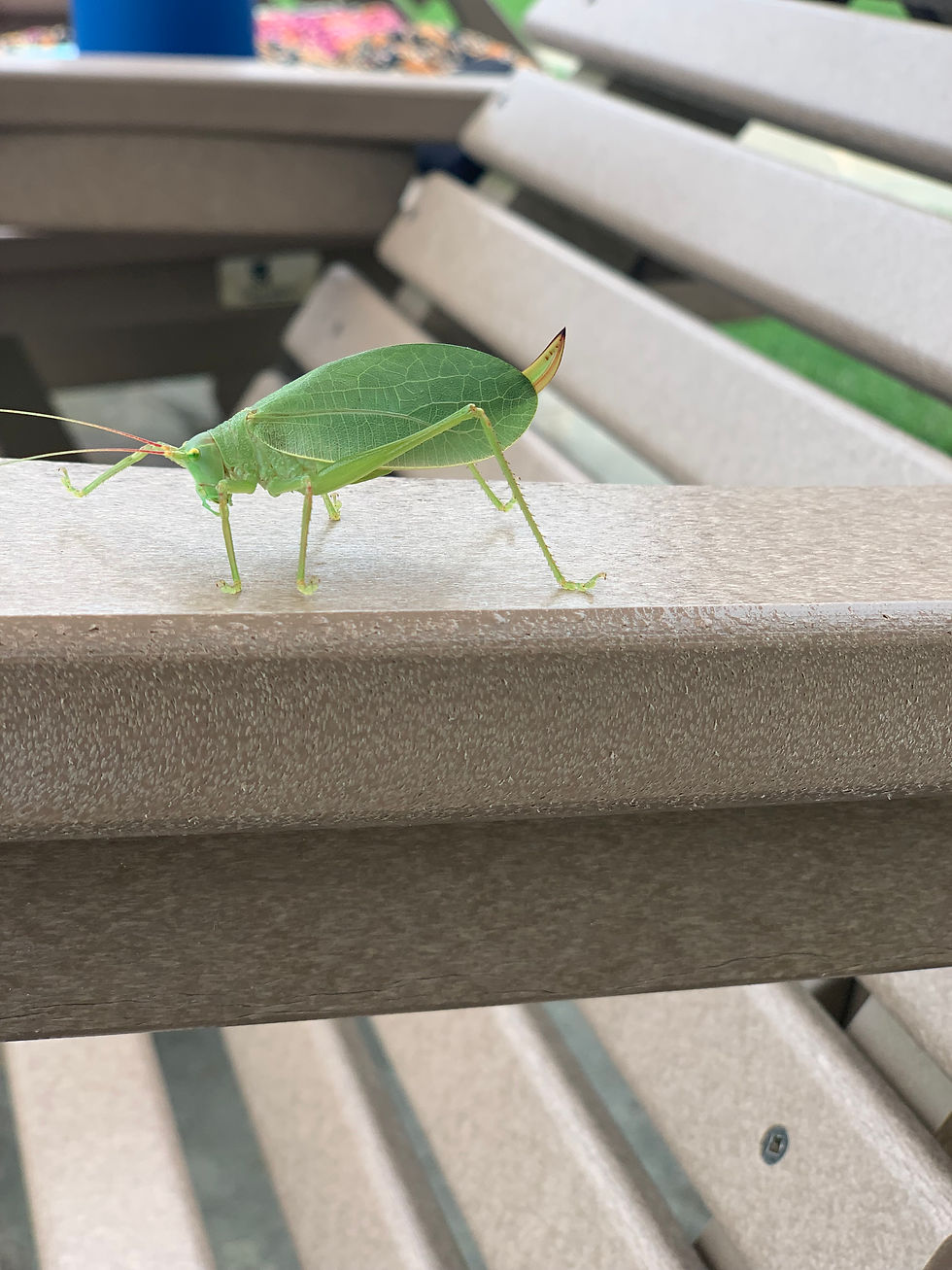
The moment you put your pencil down or take your hands off the keyboard to ponder all the future writing problems ahead of you and stop writing relevant stories, you’re pulling yourself out of the flow. You are making room for your critical voice to get in the driver's seat, which is a surefire way to get stuck. Keep mining for stories that are relevant to your topic or stay with the story you have identified as core to who you are and how you've grown. Enjoy the process. Let the other "problems" or writing steps go for now. And don't forget all the details in your stories that you think other people won't care about! Believe me, your details are cool and will make your essay pop! For example, the bug you watched for too long because you were obsessed...
Take Breaks (but not for weeks)
When you start feeling frustrated or stuck, take a break. Go for a walk. Don’t dwell in frustration for longer than is fruitful. Remind yourself that what you’re doing takes time. Return with a renewed commitment to stick with the process. Taking breaks also lets your ideas marinate, and doing something like taking a walk can spark new ideas or clarify important insights or realizations about your topic that staring at your computer just won't. Sometimes, when I am writing a story, I take a walk without a podcast to figure out what a character is trying to say or what happens next.

Our creativity needs fresh air and room to breathe. And don't think you aren't creative just because you don't play an instrument, draw, do woodwork, or write poems. Creativity comes out in how you solve problems of any sort, how you figure out how to share your true feelings with a friend, or in the case of the personal statement, how to describe what it felt like to walk your little sister into her first day of middle school, or what qualities to reveal as you write about building a treehouse with your three best friends.
But don't wait too long. Once you decide to actively work on your personal statement, try to create a daily practice, even if it's just 15 or 20 minutes. Or longer if you have a free Saturday to work on it, and keep working one step at a time - brainstorming, topic selection, freewriting, outlining, drafting, and revising multiple times until that day when you read your essay out loud and like what you hear! Then, have a friend, teacher, or writing coach read it over to catch anything you've missed or encourage more vulnerability or specificity (I'm a broken record about specificity!) Be open to feedback because that's just life after all. We need each other!

Focus on the elements that matter most
Identify a story, topic, or challenge that excites or inspires you. Some of the best essays stem from interests or activities that students love. If you’re enthusiastic about your subject, you'll have more fun writing, and your reader will be more engaged with your essay too.
Reveal intriguing details about yourself through storytelling or sensory details that your reader can feel, see, smell, and hear.
Be vulnerable by acknowledging weaknesses. Colleges don’t seek students who believe they know everything or are unaware of their areas for growth.
Exude confidence without arrogance.
Demonstrate how you’ve grown, what you think, and why the story matters to you.
Don't obsess over the beginning. You have to start somewhere! Dive into your topic, and later in the revision process, you can rethink your entry point.

When my student shows up to a revision meeting with nothing to revise, having spent the last week or two caught up in the search for some part of their process - the perfect topic, hook, examples, sentences, or word choice- my first instinct is to acknowledge how they’re feeling. I totally get how tough this process can be. But I also strongly believe in their potential.
Remember, you have decided that the personal statement is essential in reaching your educational goals. Keep your eyes on that prize and that conscious decision. But also stay present with the moment right in front of you: the writing process - which is calling you into a deeper understanding of yourself - a journey that's valuable all on its own, no matter what rewards might come later.



Comments